The Best Easiest Homemade French Bread Recipe
One of the beast and easiest homemade French bread you will ever find, this recipe yields a delicious, crusty loaf that is perfect for sandwiches or serving alongside soups and salads. With just a few basic ingredients, you can create a bakery quality bread right in your own kitchen.
The process is straightforward and requires minimal kneading, making it accessible for bakers of all skill levels.
Creating the Perfect French Bread
French bread is a staple that brings warmth and comfort to any meal. The process of making this delightful loaf is quite straightforward, making it accessible for bakers at any level. With just a handful of ingredients, you can produce a loaf that rivals those from your favorite bakery.
The key to achieving that signature crispy crust and soft, airy interior lies in the technique. From activating the yeast to the final bake, each step plays a vital role in the bread’s overall texture and flavor. The aroma that fills your kitchen as the bread bakes is simply irresistible.
Essential Ingredients
To embark on this baking journey, you will need basic ingredients that are likely already in your pantry. All-purpose flour, salt, sugar, active dry yeast, and warm water are the foundation of this recipe. Optional ingredients like olive oil for greasing and cornmeal for dusting can enhance the final product.
Each ingredient contributes to the bread’s character. The flour provides structure, while the yeast is responsible for the rise. Sugar feeds the yeast, ensuring a light and fluffy texture. Together, they create a harmonious blend that results in a delicious loaf.
The Baking Process
The process begins with activating the yeast, a crucial step that ensures your bread rises properly. Mixing the dough is straightforward; simply combine the dry ingredients and add the yeast mixture. Kneading the dough is where the magic happens, transforming it into a smooth and elastic ball.
After kneading, the dough needs time to rise. This first rise is essential for developing flavor and texture. Once it has doubled in size, it’s time to shape the loaf. Whether you opt for one large loaf or two smaller ones, shaping is an opportunity to get creative.
Rising and Baking
After shaping, the dough requires a second rise. This step is crucial for achieving that light, airy crumb. While the dough rises, preheating the oven ensures that the bread bakes evenly and thoroughly.
Before placing the loaf in the oven, scoring the top allows steam to escape during baking, creating a beautiful crust. The baking time is relatively short, but the result is a golden-brown loaf that is simply irresistible.
Serving Suggestions
Once the bread has cooled, it’s time to slice into it. The soft, warm interior is perfect for sandwiches or simply enjoyed with a drizzle of olive oil and a sprinkle of herbs. This bread pairs wonderfully with soups and salads, making it a versatile addition to any meal.
Consider serving it alongside a small bowl of olive oil for dipping, enhancing the experience with a touch of flavor. The combination of the crispy crust and the soft interior, paired with the richness of olive oil, creates a delightful treat for the senses.
Conclusion
Homemade French bread is more than just a recipe; it’s an experience that brings joy to both the baker and those who enjoy the final product. With a little time and effort, you can create a loaf that is not only delicious but also a source of pride. So gather your ingredients and get ready to enjoy the fruits of your labor!
Quick and Easy French Bread Recipe
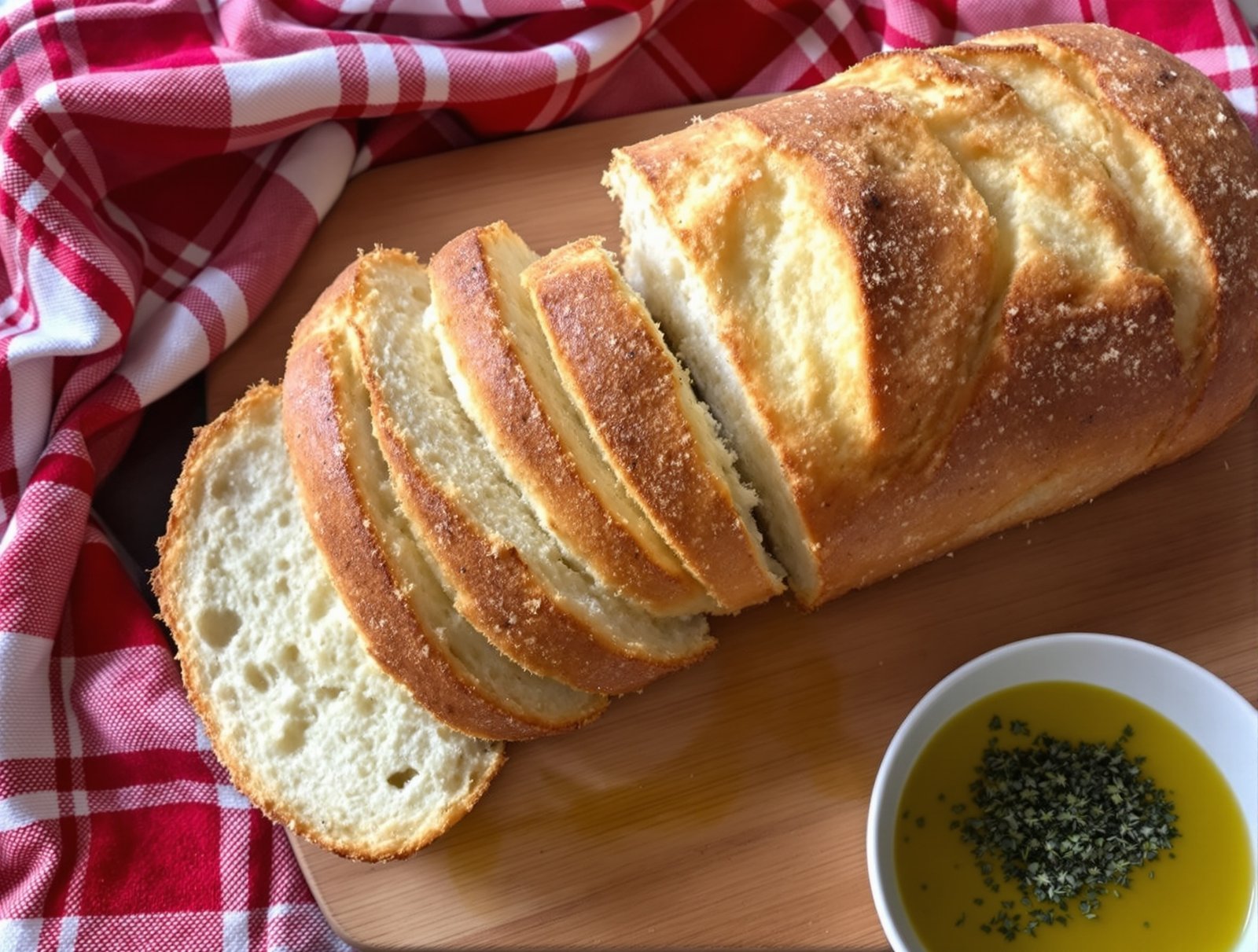
This French bread features a crispy crust and soft, airy interior. The recipe takes about 2 hours from start to finish and makes one large loaf or two smaller loaves.
Ingredients
- 4 cups all-purpose flour
- 1 1/2 teaspoons salt
- 1 tablespoon sugar
- 2 1/4 teaspoons active dry yeast (1 packet)
- 1 1/2 cups warm water (110°F/43°C)
- 1 tablespoon olive oil (optional for greasing)
- Cornmeal for dusting (optional)
Instructions
- Activate the Yeast: In a small bowl, combine warm water, sugar, and yeast. Let it sit for about 5-10 minutes until frothy.
- Mix the Dough: In a large mixing bowl, combine flour and salt. Pour in the yeast mixture and mix until a dough forms.
- Knead the Dough: Turn the dough onto a floured surface and knead for about 5-7 minutes until smooth and elastic.
- First Rise: Place the dough in a greased bowl, cover it with a clean towel, and let it rise in a warm place for about 1 hour or until doubled in size.
- Shape the Loaf: Punch down the risen dough and turn it out onto a floured surface. Shape it into a loaf or divide it into two smaller loaves.
- Second Rise: Place the shaped dough on a baking sheet lined with parchment paper or dusted with cornmeal. Cover and let rise for another 30-45 minutes.
- Preheat the Oven: Preheat your oven to 375°F (190°C).
- Score the Loaf: Before baking, make a few shallow slashes on the top of the dough with a sharp knife.
- Bake: Bake in the preheated oven for 25-30 minutes, or until the bread is golden brown and sounds hollow when tapped on the bottom.
- Cool: Remove from the oven and let cool on a wire rack before slicing.
Cook and Prep Times
- Prep Time: 20 minutes
- Cook Time: 30 minutes
- Total Time: 2 hours
Nutrition Information
- Servings: 12 slices
- Calories: 120kcal
- Fat: 0.5g
- Protein: 3g
- Carbohydrates: 24g